
Dubai, Sharjah, Ajman

Have You Any Quires ?

10 AM – 6 PM
media@artlineuae.com
Dubai, Sharjah, Ajman
Have You Any Quires ?
10 AM – 6 PM
media@artlineuae.com

Have You Any Quires?

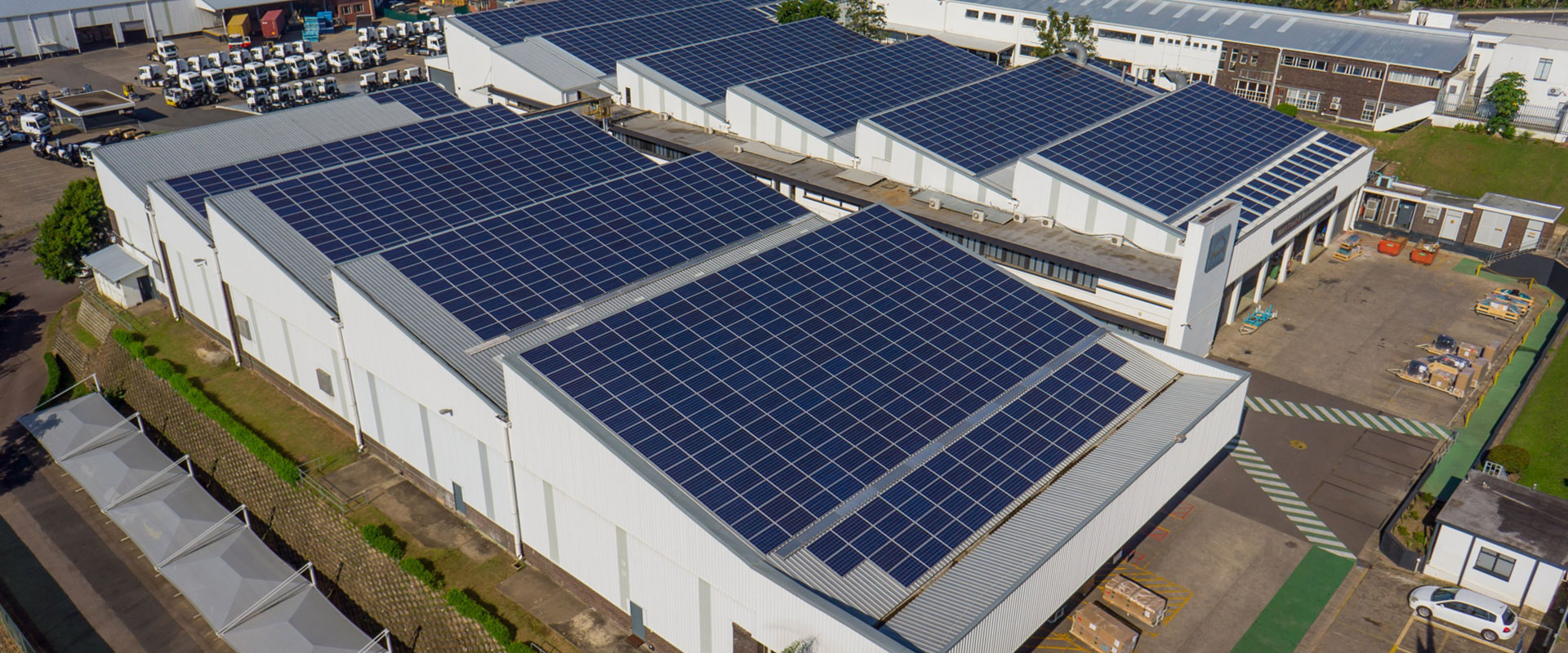

Eco-Mirrors: As the world grapples with climate change, energy security, and rising electricity costs, solar power stands out as a clean, abundant, and increasingly cost-effective solution. Harnessing the energy of the sun, solar systems can provide electricity without emitting greenhouse gases, reduce reliance on fossil fuels, and help mitigate environmental degradation. Yet, despite its clear benefits, solar power remains underutilized in many regions.
Solar energy offers a host of advantages: it’s renewable, sustainable, and widely available. Modern solar panels can convert sunlight into electricity efficiently, and costs have dropped dramatically over the past decade. According to the International Energy Agency (IEA), the global cost of solar photovoltaic (PV) electricity fell by nearly 85% between 2010 and 2023, making it competitive with or even cheaper than traditional fossil fuels in many areas.
In addition to environmental benefits, solar systems can strengthen energy independence. Households, businesses, and communities that generate their own electricity reduce pressure on national grids and avoid exposure to volatile fuel prices. Solar solutions can also empower remote areas without access to centralized power networks, improving living standards and economic opportunities.
Despite these advantages, solar energy adoption faces multiple hurdles:
1. High Initial Investment: While prices have fallen, installing solar panels and inverters still requires significant upfront capital, which can deter households and smaller businesses.
2. Infrastructure and Grid Limitations: Some national grids are not optimized for decentralized solar generation. Feeding large amounts of solar power into older grids can create stability and storage challenges.
3. Policy and Regulatory Gaps: In many countries, incentives, subsidies, or supportive regulations are limited or inconsistent. Without clear policy frameworks, investment in solar can be risky.
4. Energy Storage: Solar generation depends on sunlight, which is intermittent. Battery systems for storing excess electricity are still expensive, limiting the ability to provide consistent power during nights or cloudy days.
5. Awareness and Expertise: Some regions lack awareness of solar benefits, and technical expertise for installation and maintenance can be scarce.
Experts suggest several strategies to overcome these barriers:
Solar energy adoption has grown rapidly worldwide, yet it still represents a fraction of total energy production:
Solar energy is not just a technical solution; it represents a shift toward sustainable living and climate-conscious energy policies. Experts argue that if barriers are addressed, solar could supply a significant portion of global electricity by 2050, reducing emissions and protecting the planet.
Dr. Lina El-Sayed, an energy policy analyst, notes: “Solar power is one of the most promising solutions we have. The technology exists, the costs are competitive, and the environmental benefits are clear. The challenge is not technical—it’s political, financial, and societal. Overcoming those barriers will define the next decade of energy transition.”
A solar system, also known as a photovoltaic (PV) system, is a complete setup designed to capture sunlight and convert it into usable electricity. The main components of a solar system include:
For an average household:
In summary, a properly sized solar system can power a home reliably while reducing reliance on the grid, contributing to energy independence and environmental sustainability.
